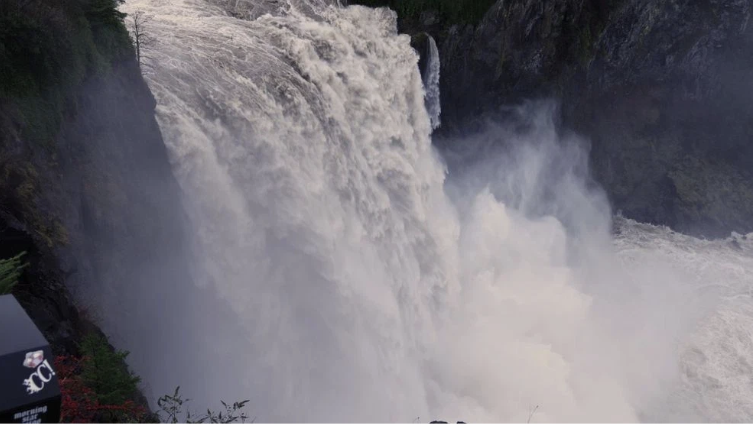
Washington State is no stranger to winter weather, but December 2025 has already delivered a powerful reminder of how unpredictable the season can be. High winds, atmospheric river flooding, landslides, widespread outages, and dangerous travel conditions have swept across the state—impacting communities from the coast to the Cascades.
For short-term rental (STR) hosts, these storms bring important considerations for guest safety, property protection, and business continuity. As extreme weather events become more common in the Pacific Northwest, staying prepared isn’t just smart—it’s essential for running a resilient, guest-ready rental.
Below is your guide to preparing for Washington’s winter storm season and staying ahead of risks that may affect your property and guests.
1. Fortify Your Property Before the Storm
Winter storm prep begins long before the wind picks up or rivers start rising. A proactive checklist helps reduce damage and keeps your rental operating safely.
Storm-readiness steps include:
- Secure or store outdoor furniture, grills, umbrellas, heaters, and recreation gear.
- Clear gutters, drains, and downspouts to prevent backups or ice dams.
- Inspect roofs, windows, and siding for vulnerabilities.
- Trim damaged or overhanging branches near guest areas or parking spots.
- Install water alarms or sump pumps if you’re in a flood-prone zone.
- Test backup power sources and ensure you have sufficient fuel for generators or propane appliances.
Properties near the Skagit, Snohomish, Chehalis, or Cowlitz rivers should be especially vigilant during atmospheric river events—river systems can rise quickly and evacuation orders can come with little notice.
2. Strengthen Your Guest Communication Plan
Guests often arrive from out of state or unfamiliar climates—and many have no idea how Washington’s winter storms work. Clear communication is one of the most valuable safety tools you can offer.
Make a plan to:
- Send pre-arrival weather alerts when storms threaten the area.
- Share updates on mountain pass conditions, ferry schedules, or flood advisories.
- Post emergency instructions inside the property including:
- How to operate backup heat
- Where to find flashlights and emergency supplies
- Local emergency contact numbers
- How to operate backup heat
- Provide links to:
- WSDOT real-time travel updates
- Local county emergency alerts
- Nearby shelter or high-ground locations
- WSDOT real-time travel updates
Print copies of instructions and maps as a backup in case Wi-Fi or power goes out.
3. Stock Up on Storm Essentials
Stores can empty fast when storms hit. Keep key supplies on hand to ensure both safety and comfort.
Recommended items include:
- Flashlights, lanterns, and extra batteries
- Backup phone chargers
- Extra blankets and safe heat sources
- Sandbags or quick-dam flood barriers
- A wet/dry shop vac for minor water intrusions
- Tarps, duct tape, and rope for temporary fixes
- Bottled water and nonperishable snacks
For island or mountain rentals—San Juan Islands, Whidbey Island, Leavenworth, Packwood, etc.—plan for longer disruptions, as road closures and ferry delays are common.
4. Review Your Insurance Coverage
Storm damage can affect not only your property but also your income. Understanding your policy before a major weather event can save you thousands.
Know the differences among:
- Loss of Use – typically doesn’t reimburse STR income
- Loss of Rents – often capped at long-term rental value
- Loss of Business Income or Revenue (commercial STR policies) – can cover actual STR earnings, including high season bookings
Given the recent flooding and windstorms, Washington hosts may be relying on coverage sooner than expected.
5. Clarify Your Weather-Related Cancellation Policies
Winter storms can cause road closures, ferry cancellations, and evacuation orders. Transparent policies help avoid misunderstandings.
Your rental agreement should explain:
- When refunds apply
- What happens during government-issued evacuation orders
- How travel disruptions affect bookings
Clear expectations benefit both hosts and guests.
6. Encourage Guests to Purchase Travel Insurance
Travel insurance is one of the most effective tools for reducing disputes and financial losses during disruptive weather. It can cover:
- Trip cancellations
- Delays
- Extended stays due to road closures
- Evacuation-related travel changes
Most booking platforms now offer insurance at checkout, and many property management systems allow direct integration.
Looking Ahead
With Washington’s winter storm patterns intensifying—and December 2025 already proving challenging—preparedness will continue to be a key part of responsible hosting. Our organization will keep monitoring winter storm impacts statewide and sharing guidance to help STR operators stay safe, informed, and resilient.